Are you torn between porch‑filled village life and the privacy of a tucked‑away estate inside Palmetto Bluff? You are not alone. Buyers often start with a feeling about lifestyle, then discover how lot size, access, and rules shape the choice. This guide breaks down how village and estate living actually work here so you can focus on what fits your daily rhythm, budget, and long‑term goals. Let’s dive in.
What “village” and “estate” mean at Palmetto Bluff
Palmetto Bluff is a 20,000‑acre private Lowcountry community in Bluffton, within Beaufort County, set along the May River. The master plan blends walkable village neighborhoods with low‑density country enclaves across a large preserve, tied together by trails and waterways. You will find resort hospitality, private club amenities, and conservation‑minded planning throughout the property. For a high‑level view of the scale and setting, explore the community’s official overview.
In this guide, “village” refers to the compact, mixed‑use neighborhoods around Wilson Village, Moreland Village, and River Road. “Estate” covers the larger‑parcel enclaves such as May River Forest, Longfield Farms, and Headwaters. Village means walkability and everyday convenience. Estate means acreage, privacy, and room to create a compound.
Village life: Wilson, Moreland, and River Road
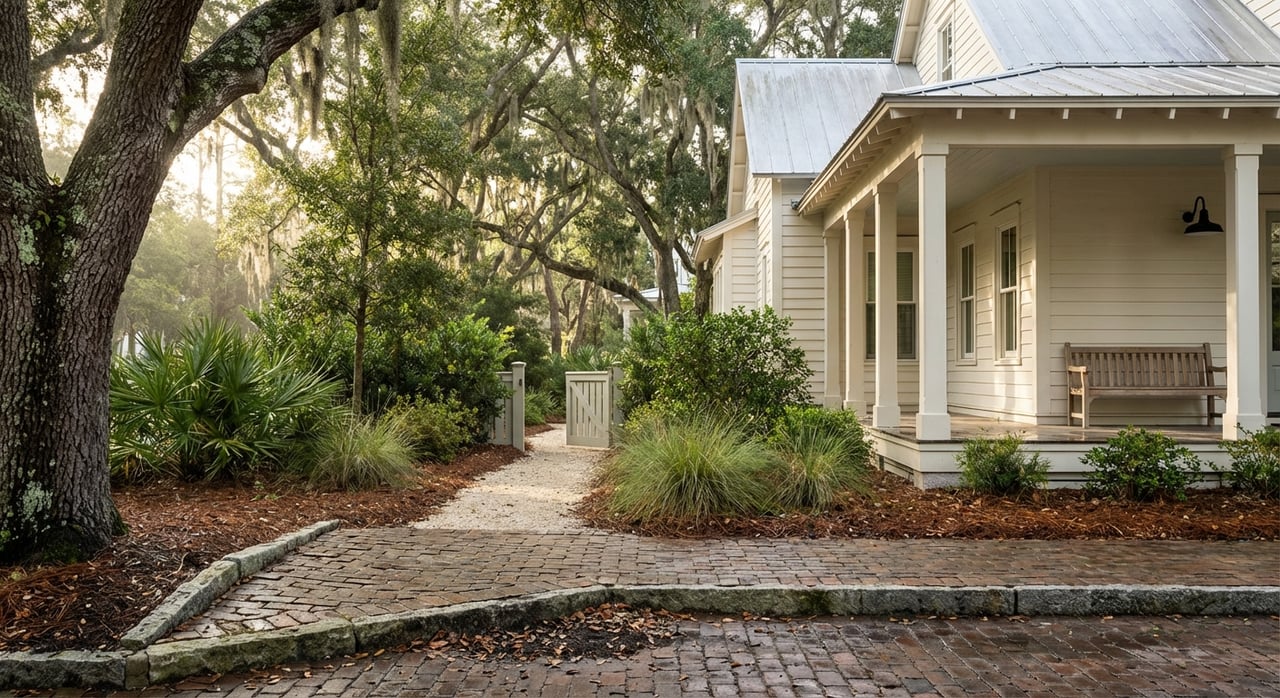
Wilson Village is the social heart of Palmetto Bluff. Think a classic Lowcountry town center wrapped by live oaks, a Village Green, and small shops and cafes. Many businesses here are open to visitors, which creates an easy, lively atmosphere for a morning coffee or an evening out. Get a feel for the setting on the Wilson Village page.
Moreland Village carries a more rustic‑contemporary vibe with its own amenity mix, including Outfitters and The Boundary, and it sits close to the water and trail network. River Road is a bridge neighborhood between Wilson and Moreland that feels like a garden district, with pocket parks and community spaces. Together, these three create a connected, pedestrian‑friendly core.
Daily convenience and walkability
If you want to stroll or take a quick golf cart ride to a market, spa services, wellness centers, or dinner, village life fits well. Sidewalks and tree‑lined streets make everyday errands feel simple. Social contact is easy too, with casual front‑porch chats and community events flowing through the village core. During peak resort seasons, expect more foot traffic and activity near the center.
Lots, architecture, and price patterns
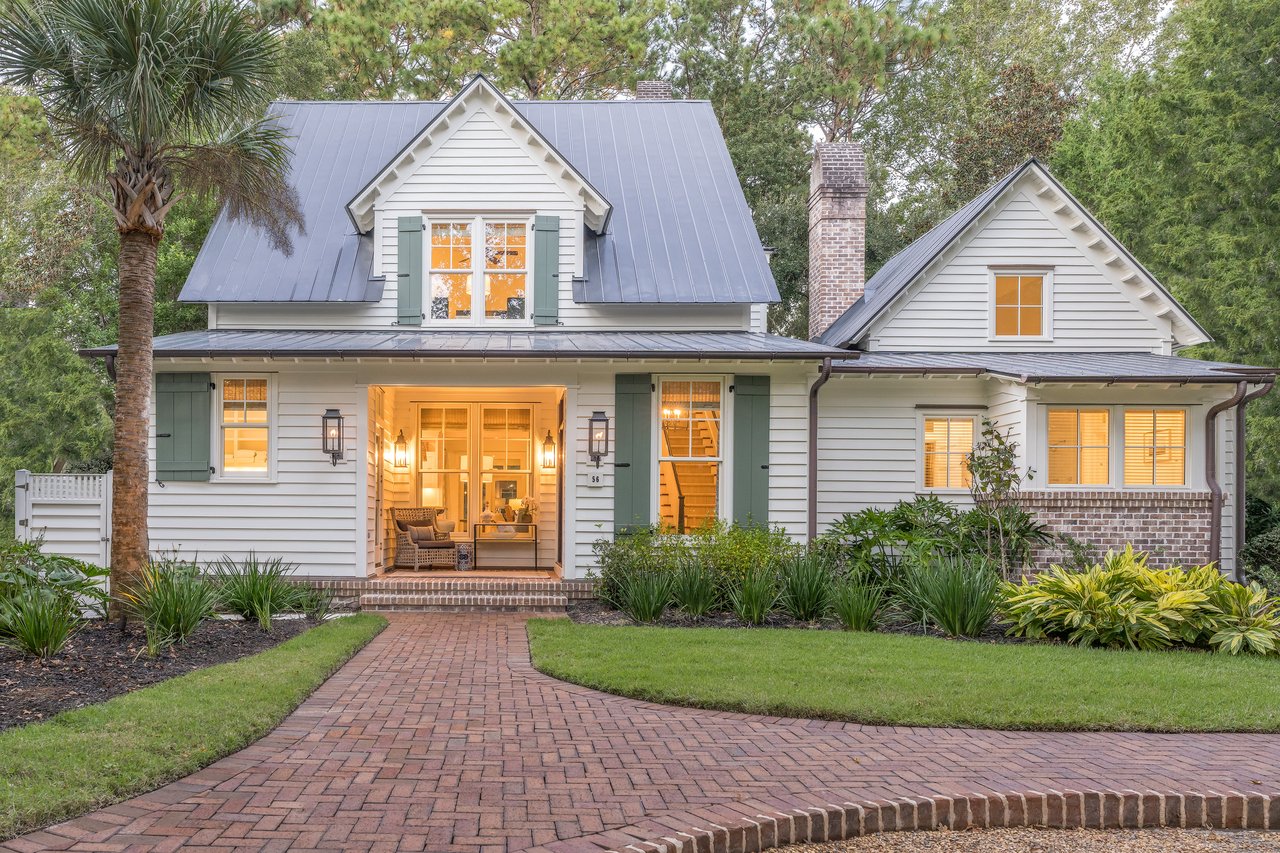
Village homes and cottages typically sit on smaller parcels than estate properties. Many lots range from sub‑acre to roughly 1.5 acres, especially in River Road and Wilson Village. Price patterns vary with home size, location, and condition. Recent examples in public listings show small River Road or Wilson cottages trading in the low‑to‑mid 1 million range, with renovated or prime‑location village homes often listed around 2 million to 4 million. These are illustrative only; actual pricing changes with market conditions.
Estate life: May River Forest, Longfield Farms, and Headwaters
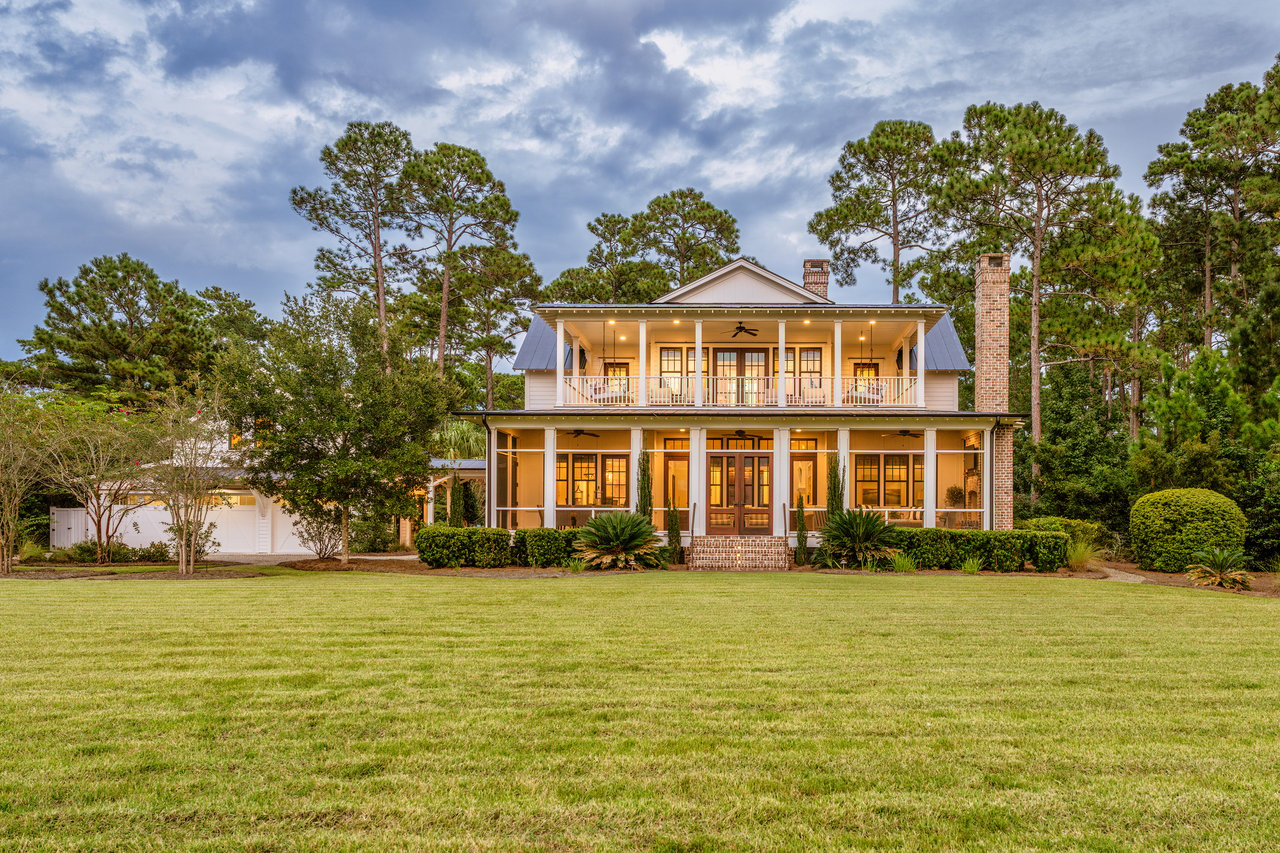
Estate neighborhoods are designed for space, seclusion, and long views. Approaches are often wooded or meadowed, with landscape buffers and wide outlooks to fairways, marsh, rivers, or lakes. If you imagine a multigenerational retreat or a private setting for guests, this side of Palmetto Bluff is built for it. The community’s own story on Headwaters highlights the enclave’s exceptional privacy and scale.
Equestrian and acreage
Longfield Farms is the equestrian‑focused enclave, with large parcels linked to the community’s 170‑plus acre Longfield Stables. Trails, pastures, and field character define the landscape. If horses are central to your lifestyle or you want broad acreage with agrarian surroundings, learn more about Longfield Stables.
Golf and water outlooks
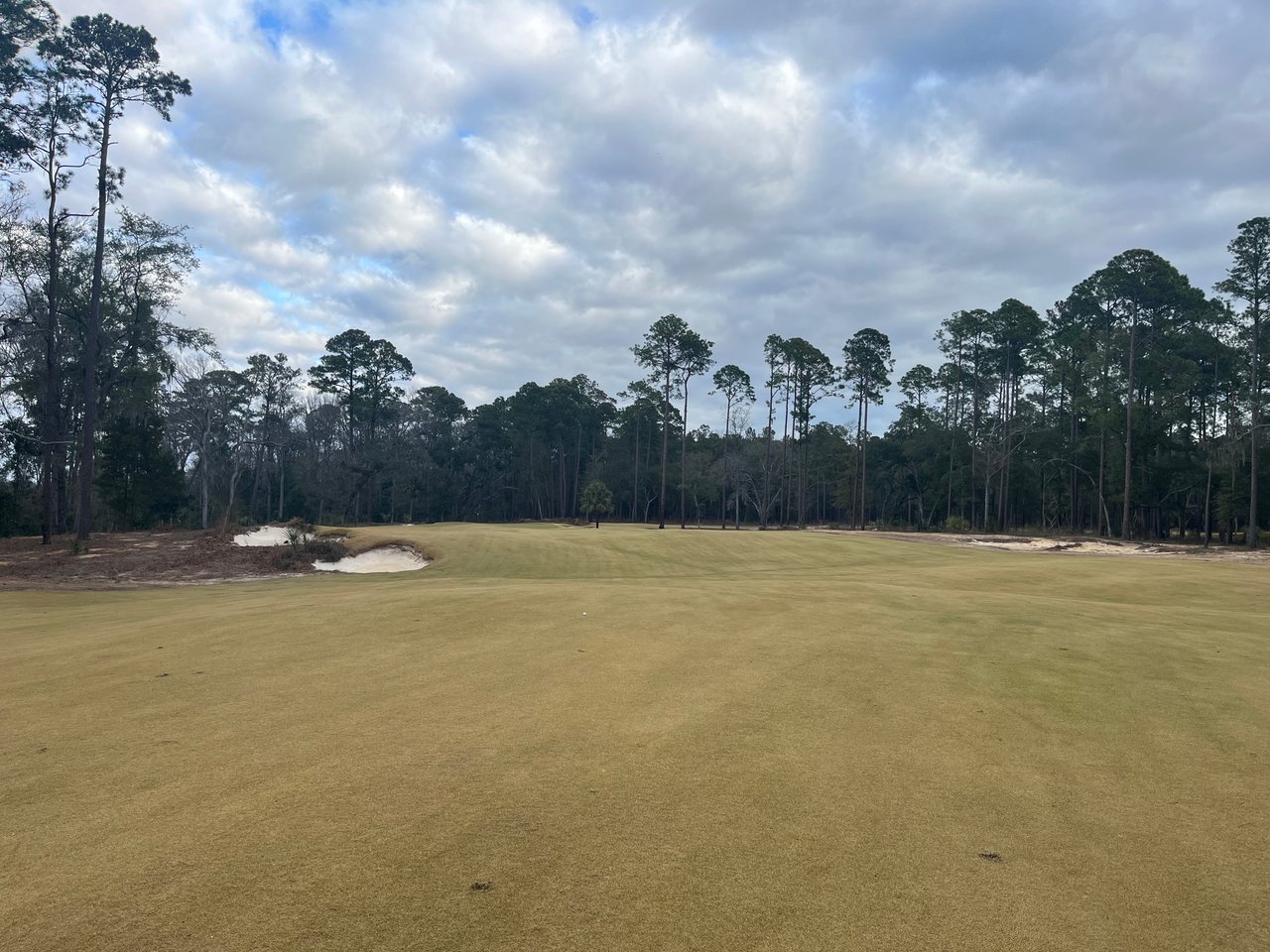
May River Forest weaves through and around the Jack Nicklaus Signature course, with many homesites enjoying fairway and marsh perspectives. Parcels typically exceed village lot sizes, and 1 to 3‑plus acres is common, with larger estate sites available. For a sense of the area’s golf setting and design, visit the May River Golf page.
Building envelopes and conservation
On many large parcels, owners build within designated envelopes to preserve the landscape’s character. Portions of estates can be conserved, which limits development to protect natural features. These rules are part of the community’s design standards and conservation approach, discussed in resources like this summary of Palmetto Bluff’s community guidelines.
Village vs. estate: how to choose
Use these side‑by‑side factors to refine your search:
Setting and scale
- Village: Compact blocks, front porches, brick sidewalks, and neighbors in view. Feels like a town center inside the gates. See the Wilson Village character.
- Estate: Long, private drives, landscape buffers, and broad vistas of marsh, river, lake, or fairway. A stronger sense of retreat, especially in Headwaters.
Privacy and noise
- Village: Social and public‑facing energy, with more pedestrian activity and seasonal events.
- Estate: Materially more private, with limited pass‑through traffic and quieter surroundings.
Access to amenities
- Village: Immediate or short cart access to shops, dining, market, spa, and wellness centers.
- Estate: Connected by cart, car, or boat, but usually a longer ride to the village core. Estates trade convenience for space and seclusion.
Lifestyle fit
- Village: You want daily social life, quick errands, and a smaller maintenance footprint. Ideal for lock‑and‑leave or full‑time simplicity.
- Estate: You want acreage for family gatherings, guest privacy, equestrian or hobby uses, or waterfront recreation at a compound scale.
Cost patterns
- Village: Smaller lots and cottages can start in the low‑to‑mid 1 million range, with top village locations often 2 million to 4 million depending on size and finish. Pricing is dynamic.
- Estate: Larger acreage, water outlooks, and custom improvements typically command higher prices. Expect wide variation based on size, view, and setting.
Short‑term rentals and usage
- Village: Select areas are reported to allow short‑term rentals within community rules. Verify by neighborhood.
- Estate: Commonly owner‑occupied, with stricter rental policies. For a helpful context page, see Maybank Property Advisors’ Palmetto Bluff guide.
Costs, club access, and policies
Palmetto Bluff operates on a private club model where owners typically secure membership to access many core amenities and programming. Fees and categories change, so confirm current details directly with the Palmetto Bluff Club. Village and estate properties share a design review framework that protects the Lowcountry look and feel. Property owner assessments and any amenity‑specific charges can vary by location and membership category; rely on official documents and the membership office for current figures.
If you plan to rent, verify parcel eligibility and rules up front. Policies differ by enclave and can influence your financial plan. Again, village locations may offer more flexibility than estates, but always confirm current standards before you buy.
Environmental and buildability factors
The Lowcountry’s tidal creeks and marshes are part of Palmetto Bluff’s appeal, yet they bring site‑specific considerations. Flood zones, elevation, and foundation requirements can vary by homesite. The Town of Bluffton’s May River Watershed work illustrates the community’s ongoing environmental stewardship. Pair that context with the community’s design standards and conservation approach as summarized in this Palmetto Bluff planning overview.
Before you commit, ask for FEMA flood panel information, any available elevation certificates, recent surveys, and known mitigation details. On larger estate parcels, confirm the recorded building envelope, conservation easements, utilities or septic needs, and any shared road agreements. These steps protect your timeline and budget.
A quick touring checklist
Bring this list when you preview properties:
- Do a neighborhood walk test: time the walk from the property to Wilson Village Green, RT’s Market, and the River House. A 5 to 10 minute walk signals strong daily convenience. You can preview the village layout on the Wilson Village page.
- Verify the lot’s legal framework: recorded lot size, building envelope, conservation easements, dock rights, and any shared drive or maintenance obligations. This community planning summary is a helpful primer on restrictions.
- Confirm flood and elevation data: request FEMA panel info, an elevation certificate if available, and recent survey notes. Use the Town’s May River Watershed resources for regional context.
- Map access times: estimate golf cart, car, and boat travel to the village core or your preferred amenities.
- Contact the club: verify current initiation fees, annual dues, and amenity categories with the Palmetto Bluff Club.
- Rental and insurance: if relevant, confirm short‑term rental eligibility and request preliminary homeowner and flood insurance quotes.
Smart questions to ask during showings
What are the recorded lot size, building envelope, and any conservation easement restrictions on this parcel?
Is the property eligible for Palmetto Bluff Club membership, and which category applies today? What are the current initiation and annual fees?
Which amenities are walkable from the property, and which require a cart or car? Are there private docks or dock easements tied to the lot?
What is the current FEMA flood zone for this site, and are there elevation certificates or known mitigation measures in place?
For estates: what are the utility, septic or well, and road‑maintenance obligations typical for this enclave?
Putting it all together
If your ideal day involves a short walk to dinner, a quick workout, and front‑porch conversations, village living delivers daily ease. If your vision centers on long horizons, privacy, and hosting extended family or equestrian pursuits, an estate will feel right from the start. Both options share the same Lowcountry beauty, club culture, and conservation mindset. The best choice is the one that aligns with how you want to live week to week.
When you are ready to narrow the field, lean on local expertise. As a long‑time member and advisor, our team can preview on your behalf, validate rules and fees, and surface on‑ and off‑market opportunities that match your brief. Start a confident search with Maybank Property Advisors.
FAQs
What is the main difference between village and estate living in Palmetto Bluff?
- Village areas prioritize walkability and daily convenience around Wilson and Moreland, while estate enclaves like Headwaters and Longfield focus on acreage, privacy, and room for compounds.
How close are village homes to amenities in Palmetto Bluff?
- Many village properties are a short walk or cart ride to shops, restaurants, wellness centers, and the Village Green; this is a defining feature of Wilson Village.
What should I know about Palmetto Bluff Club membership before buying?
- Palmetto Bluff uses a private club model; confirm current categories, initiation, and annual dues directly with the Club since terms and pricing are updated periodically.
Are short‑term rentals allowed in Palmetto Bluff neighborhoods?
- Some village areas permit short‑term rentals under defined rules, while many estates have stricter policies; verify eligibility for each parcel and review guidance like this local overview.
How do lot sizes compare between village and estate properties?
- Village lots are typically sub‑acre to about 1.5 acres, while estate parcels in areas like Longfield and Headwaters can span multiple acres with designated building envelopes.
What environmental factors should I evaluate before purchasing in Palmetto Bluff?
- Review flood zones, elevation, and conservation or building‑envelope rules; consult regional resources such as the Town’s May River Watershed work and the community’s conservation‑minded planning summaries.