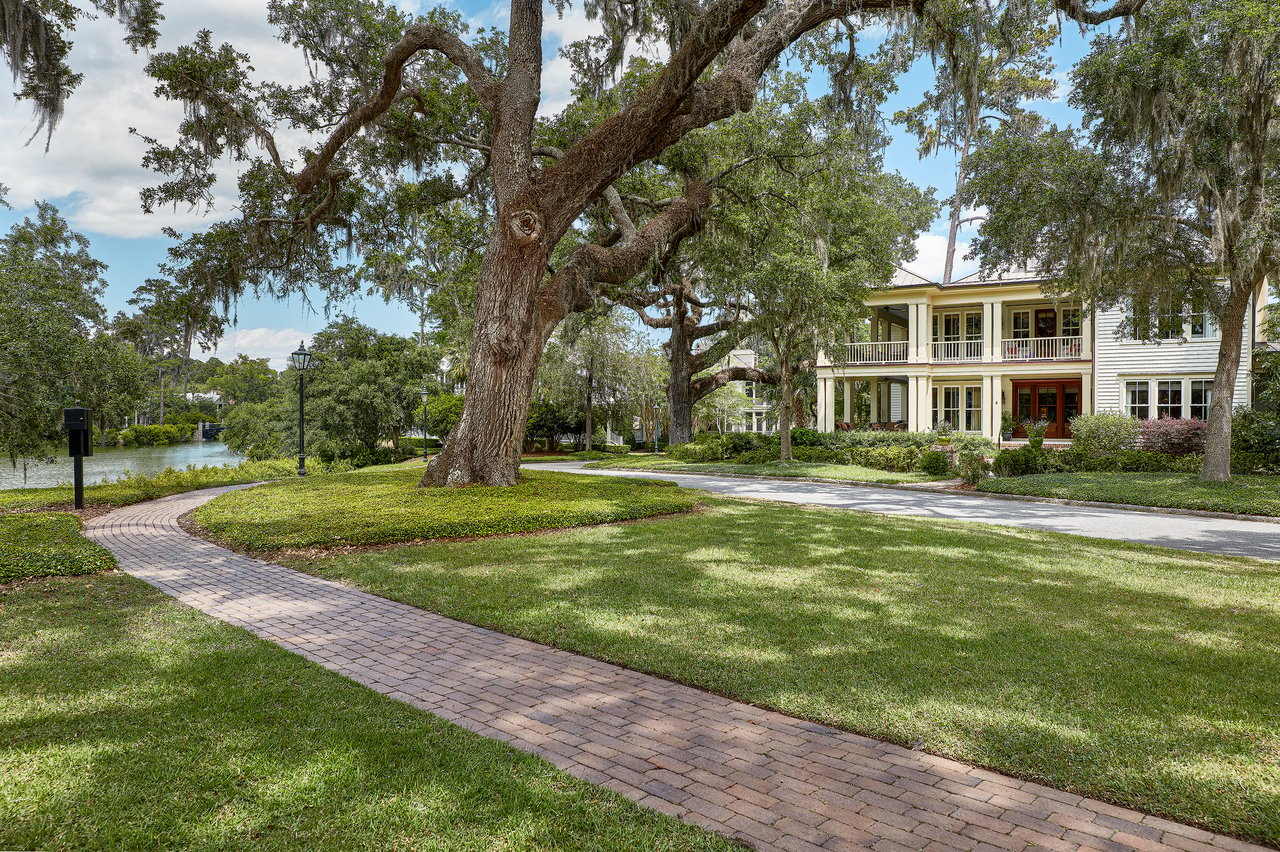
If you have ever walked through Palmetto Bluff and wondered why each neighborhood feels distinct yet unmistakably connected, the answer is in the architecture. This community does not rely on one repeated look or a one-size-fits-all design formula. Instead, it uses a shared Lowcountry language that responds to climate, landscape, and setting, giving you a better way to understand what makes each area unique. Let’s dive in.
Lowcountry Style Shapes Palmetto Bluff
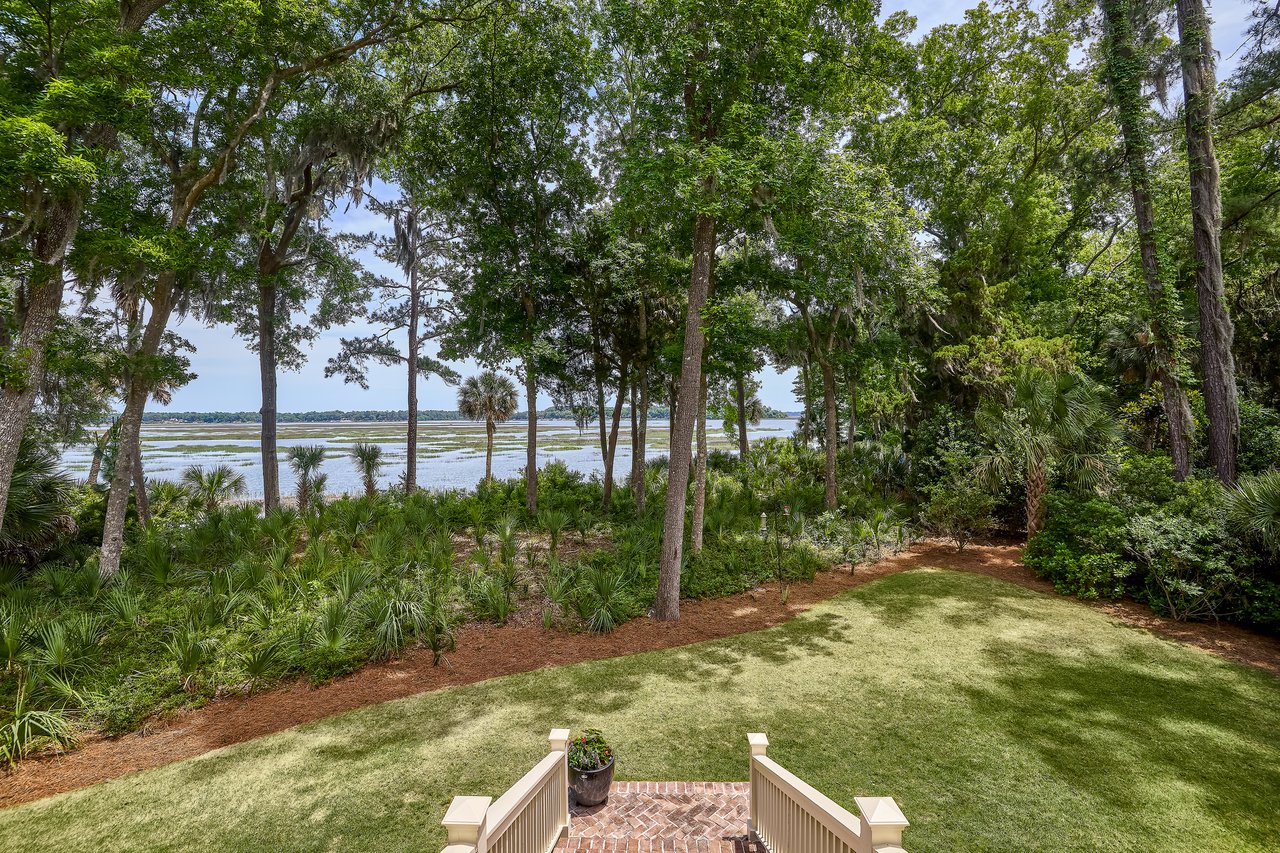
Palmetto Bluff sits within a 20,000-acre Lowcountry landscape at the meeting point of the May, Cooper, and New Rivers. That setting is not just a backdrop. It directly shapes how homes are designed and how they relate to the land.
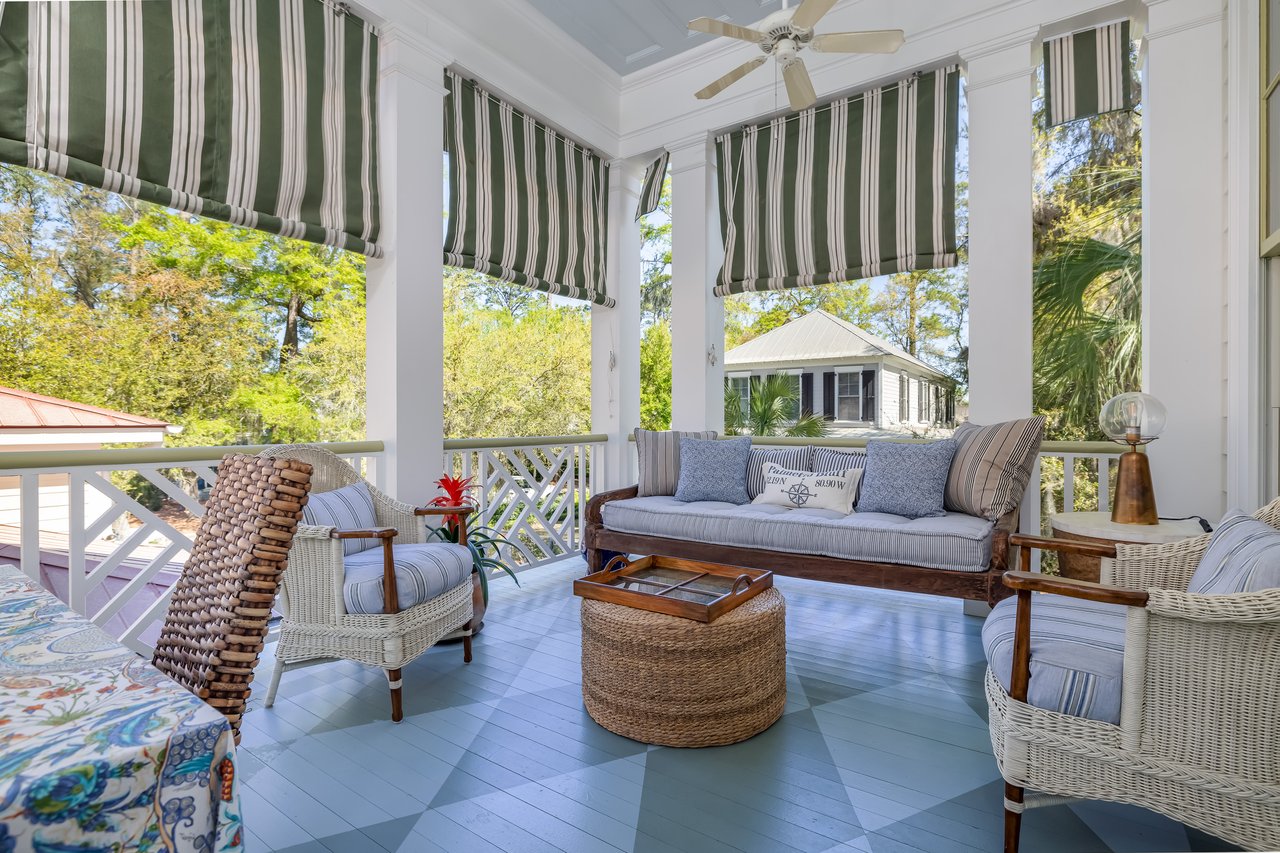
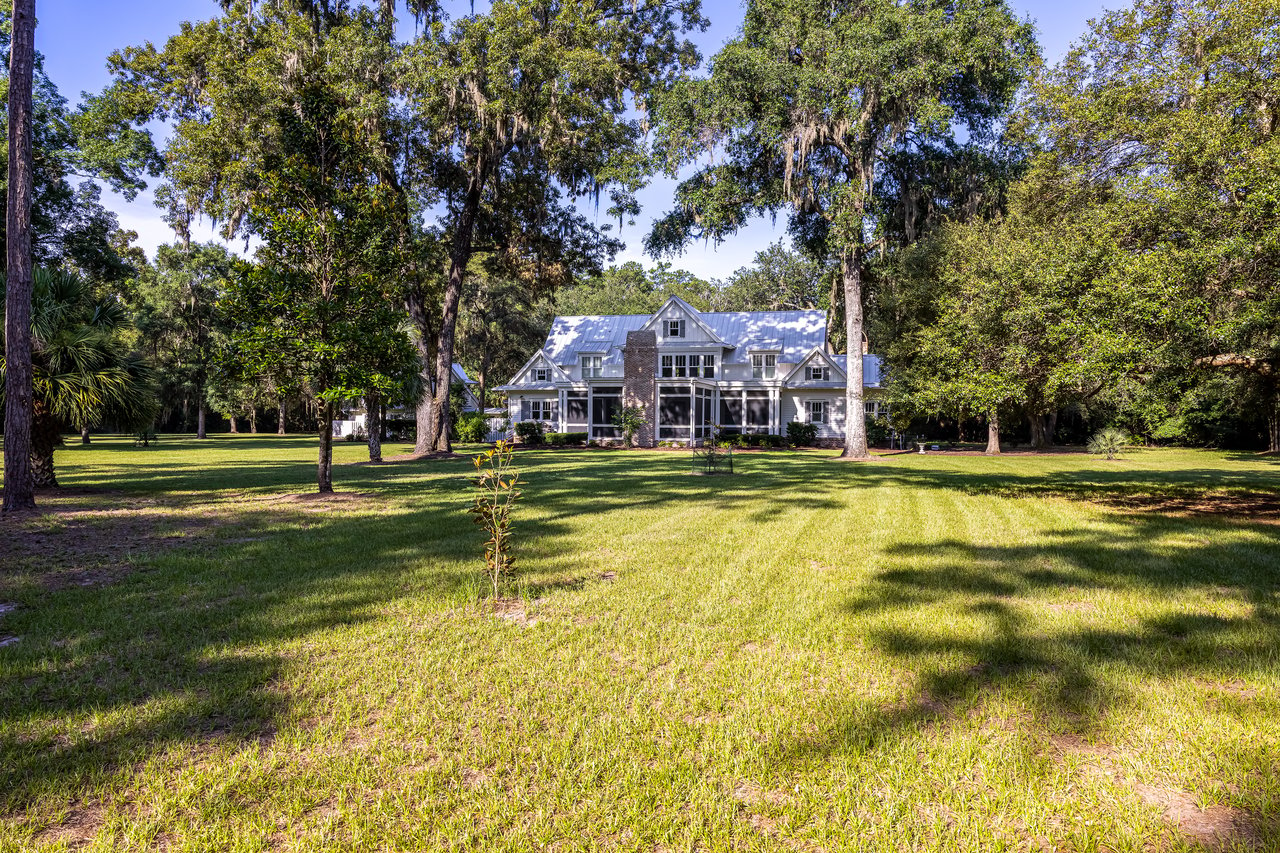
The architectural roots here come from the broader South Carolina Lowcountry tradition. Historically, that meant climate-responsive design with raised cottages, porches that help temper heat, and regional materials such as tabby, Savannah Grey brick, metal roofs, and a variety of reclaimed woods.
In Palmetto Bluff, those ideas are carried forward through contemporary interpretations. The result is a community where homes feel tied to place rather than imposed on it.
Common Features You Will See
Across Palmetto Bluff, several design elements appear again and again. These features create visual continuity, even when one neighborhood leans more traditional and another feels more modern.
You will often notice:
- Wraparound porches
- Raised foundations
- Large windows
- Gabled roofs
- Orientation toward breezes and views
- Detached secondary structures
- Earthy, natural color palettes
- Local and regional materials
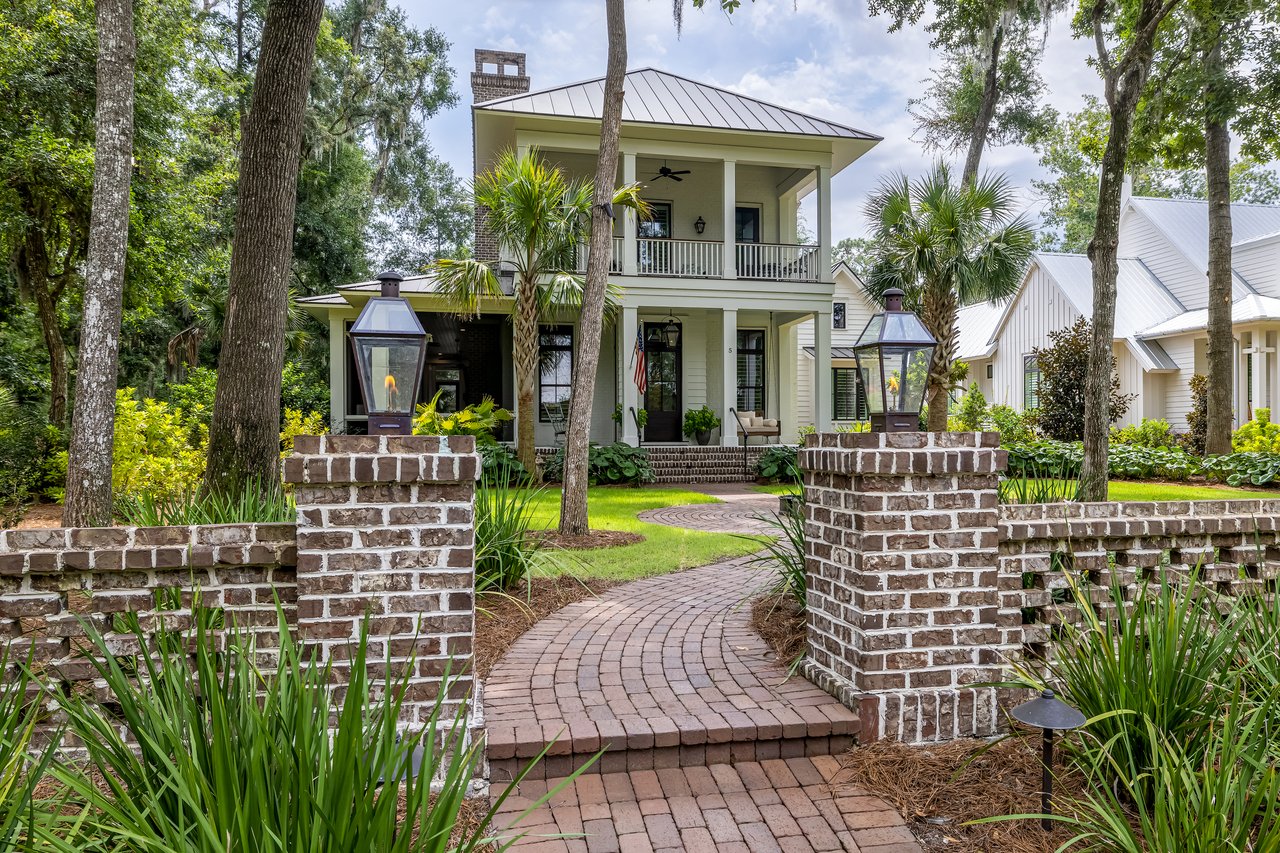
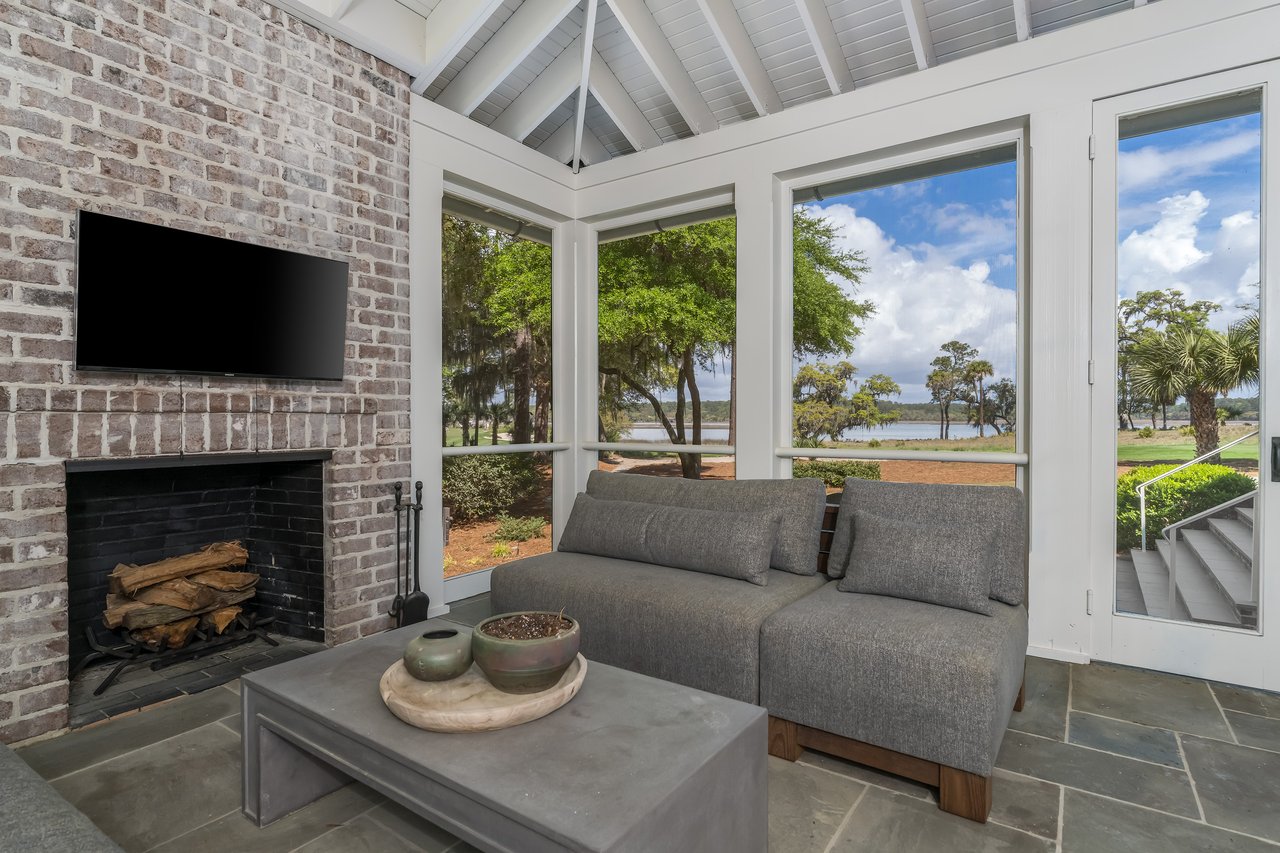
Materials and details also help define the look. Common choices include board-and-batten siding, metal roofs, gas lanterns, oyster tabby stucco, reclaimed barnwood, and Old Savannah brick.
These details do more than create charm. They help homes feel settled into the marsh, river, and forest surroundings that define Palmetto Bluff.
Wilson Village Sets the Baseline
Wilson Village is the original village and, in many ways, the architectural reference point for the rest of the community. If you want to understand the classic Palmetto Bluff look, this is often where that story starts.
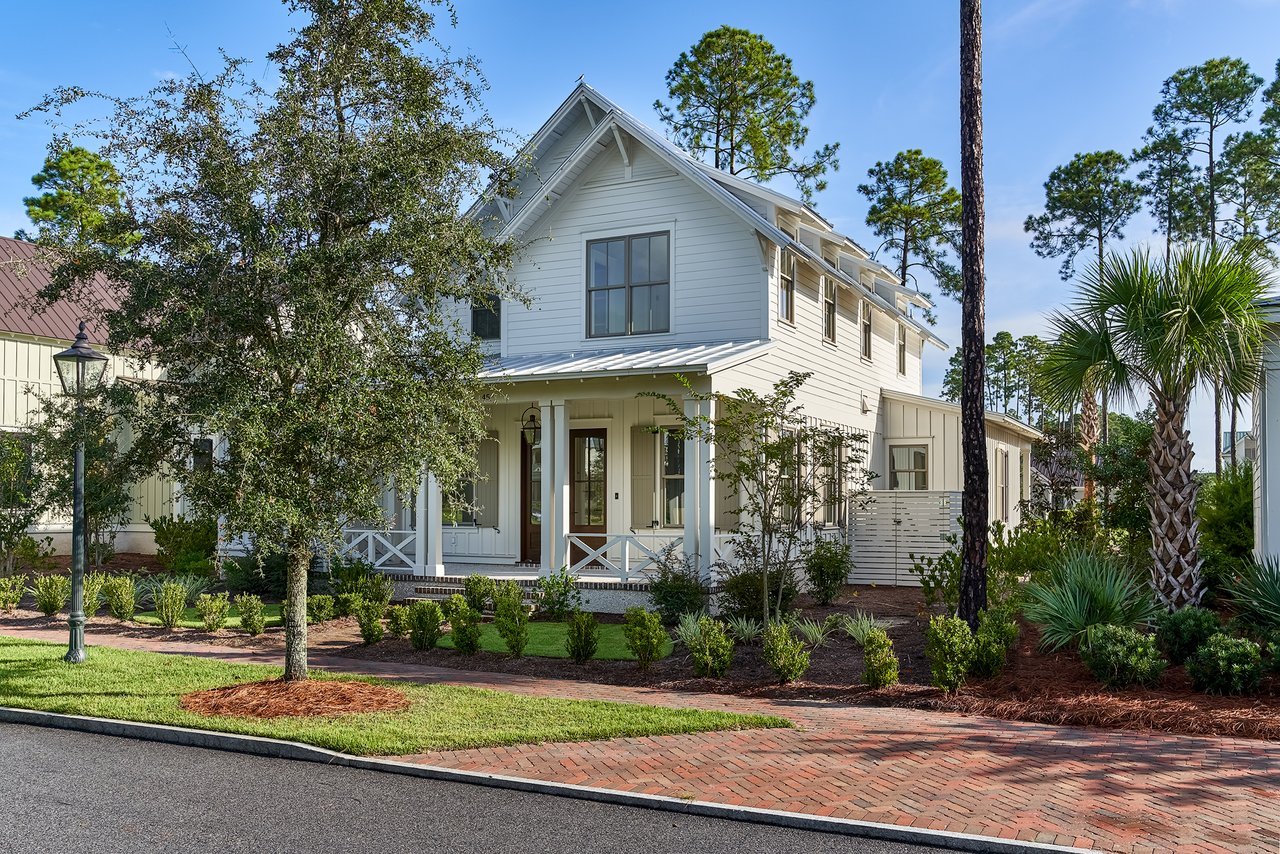
The style here is described as relaxed, comfortable, authentically detailed, and regionally responsive. Homes are blended among the trees and carry familiar coastal-town cues that feel rooted in the Lowcountry.
What Defines Wilson Village
In Wilson Village, you are likely to see:
- Charleston Green shutters
- Expansive front porches
- Porch swings
- Open floor plans
- Rear alleyway parking
Together, these features create an easy, welcoming feel. The architecture supports indoor-outdoor living while still keeping a strong sense of traditional village character.
Moreland Village Brings a Modern Edge
Moreland Village takes the same Lowcountry foundation and pushes it in a slightly more contemporary direction. If Wilson Village feels like the classic expression, Moreland often reads as the modern-rustic interpretation.
This part of Palmetto Bluff uses a looser and more relaxed design language. It still belongs clearly to the same community, but the materials and forms often feel more current and pared back.
What Makes Moreland Different
Homes in Moreland Village often include:
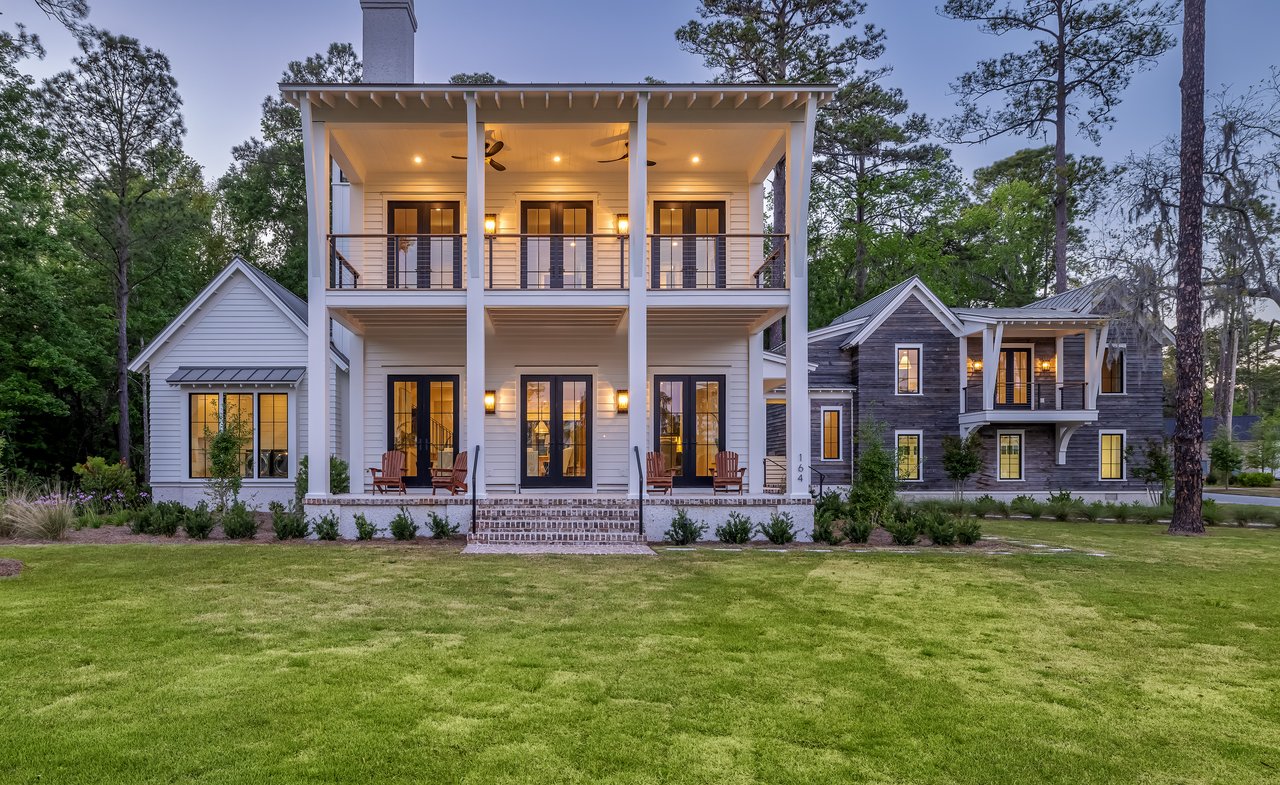
- Exposed rafter tails
- Lower-sloped roofs
- Larger expanses of glass
- Cable handrails
- Steel windows and doors
- Porches paired with natural textures
Materials such as oyster tabby and cedar shake help soften the contemporary elements. That balance is a big part of Moreland’s appeal. It feels modern without losing its connection to the Lowcountry landscape.
River Road Feels More Formal
River Road is often known as the Garden District, this is where you see some of the clearest Charleston and Savannah influences within Palmetto Bluff.
Compared with the village-centered feel of Wilson or the more contemporary tone of Moreland, River Road tends to emphasize elegance, symmetry, and classic proportions. The setting supports a more manicured and refined expression of the broader architectural palette.
River Road’s Signature Character
River Road architecture is often associated with:
- Classic proportions
- Symmetry
- Manicured gardens
- Charleston and Savannah influences
This neighborhood includes both cozy cottages and grand estate homes. That range is part of what makes River Road notable. It can feel intimate in one setting and stately in another, while staying cohesive overall.
Country Settings Prioritize Privacy
Not every home in Palmetto Bluff fits into a tightly defined village setting. Some areas express the community’s character through privacy, trail connection, and a stronger relationship to the land.
The equestrian story is centered on Longfield Stables and the riding-trail network rather than a separate named house style. Longfield Stables spans 173 acres, and the broader country setting emphasizes seclusion and landscape connection over ornament.
How Country Properties Tend to Feel
In practical terms, homes in these settings are often best understood as:
- Landscape-first
- Often view oriented
- More private and secluded
- Less defined by decorative detail alone
This matters if you are comparing neighborhoods inside Palmetto Bluff. Some homeowners are drawn to village energy and walkable activity, while others want a quieter homesite with a stronger sense of retreat.
Conservation Is Part of the Design Story
In Palmetto Bluff, architecture and conservation are closely linked. The Conservancy describes itself as the steward of the community’s land, water, wetlands, open spaces, ecosystems, and history.
That stewardship shapes the built environment just as much as the natural one. It reinforces the idea that a home here is part of a much larger setting, not separate from it.
For buyers, that can be helpful when comparing homesites, resale homes, or custom-build opportunities. You are not just evaluating square footage or finishes. You are also looking at how a home fits within a conservation-minded design framework that has helped define Palmetto Bluff over time.
Why This Matters in Real Estate
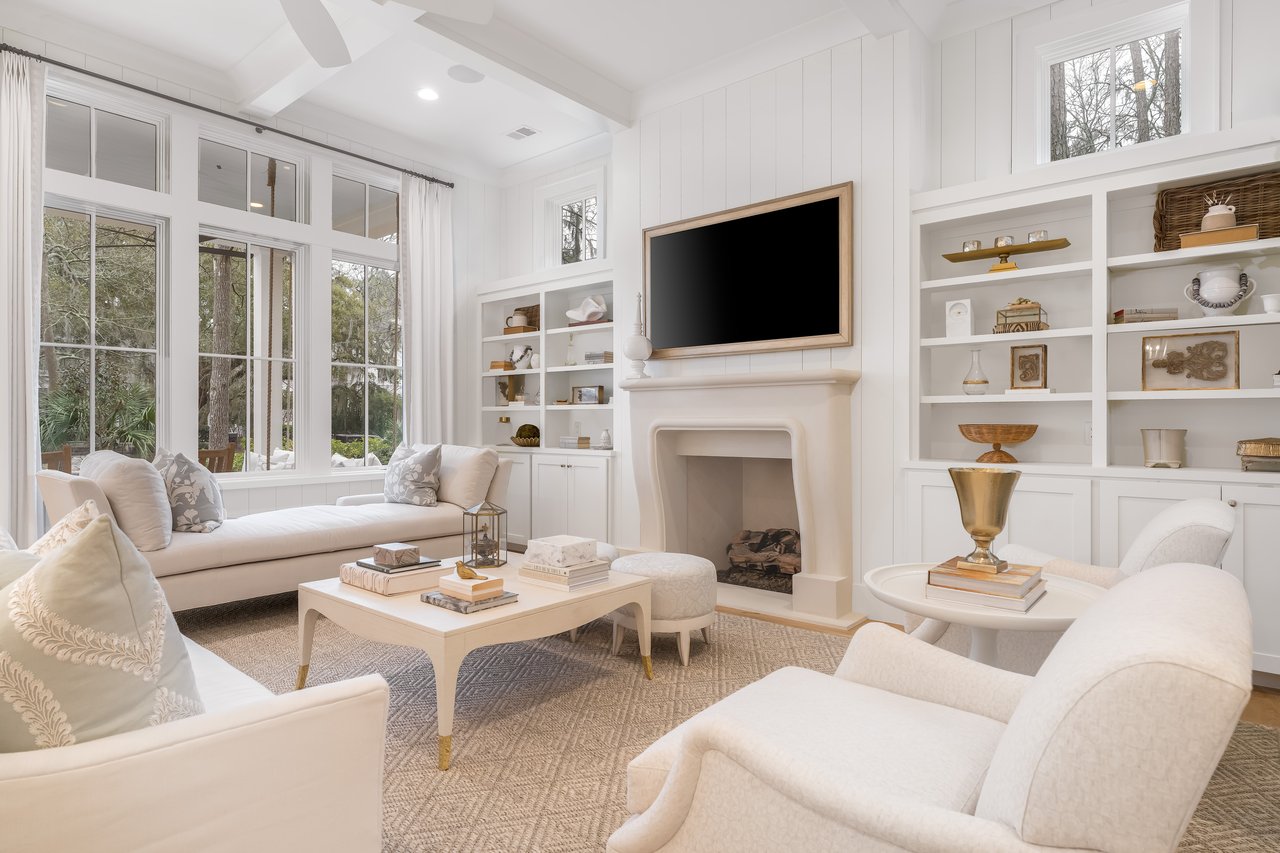
Architectural style affects more than appearance. In a place like Palmetto Bluff, it often shapes how a home lives, how it connects to the outdoors, and how buyers interpret its value within the community.
If you are buying, understanding these distinctions can help you narrow your search more quickly. You may discover that you prefer the classic village rhythm of Wilson, the contemporary warmth of Moreland, the lowcountry design of River Road, or the privacy of a more secluded country homesite.
Palmetto Bluff architecture is compelling because it is both unified and varied. It reflects Lowcountry tradition, responds to the land, and gives each neighborhood its own personality without losing the larger sense of place.
If you want help understanding which architectural setting best matches your goals, or how to position your property within the Palmetto Bluff market, Maybank Property Advisors can help you navigate the community with local insight and personalized guidance. Just drop us a note or give us a call.